Educational Hierarchies and Pedagogies: How Language and Trauma Foster Racial Bias in Learning Spaces
My project aims to explore how educational hierarchies and language contribute to racial bias in early childhood classrooms. Trauma in early childhood can lead to long-term challenges with physical health, emotional well-being, behavior, and mental health. I believe the greatest impact can be made inside the classroom. By changing how we use language in classrooms, we can help children build confidence, self-regulation, and social awareness—qualities that can enhance their mental health and foster stronger relationships later in life. It is concerning how often language used by teachers can unintentionally harm children’s self-image. As early as age 4, Black and Brown students may face disproportionate discipline and biased treatment. This can manifest as unequal disciplinary actions, lowered academic expectations, limited opportunities for family involvement, and public reprimands or shaming.
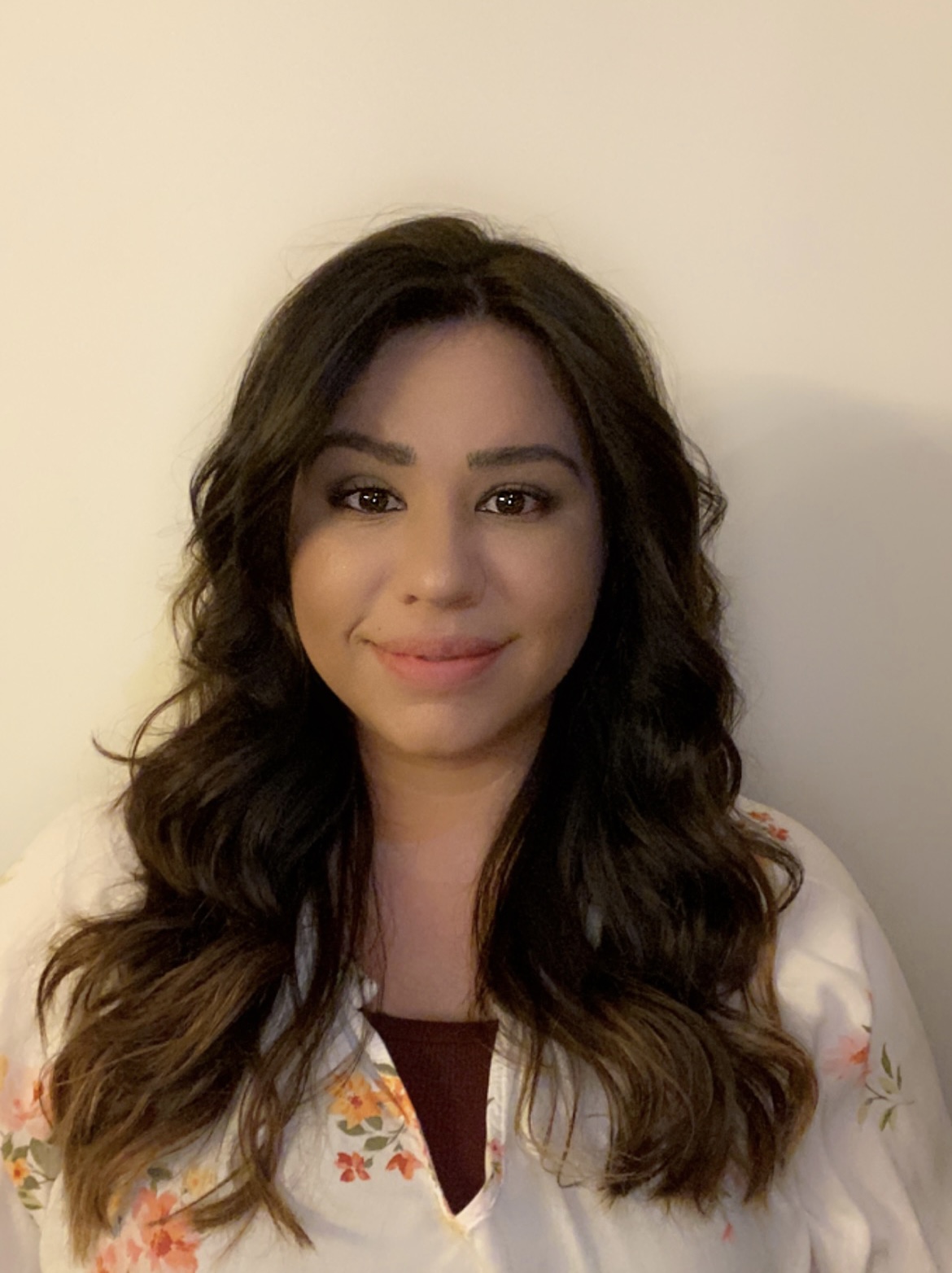
Serena is a second-year Ph.D. student in Cultural Studies and Social Thought in Education, with research interests in trauma responses during adolescence, educational power structures, racial bias, student-led learning, cognitive therapy, behavioral intervention, and mental health advocacy. Recently, her passion has focused on addressing the discrimination faced by minoritized children, specifically those categorized as Black and Brown within the educational system, utilizing an anti-racism pedagogy framework that challenges systemic inequalities and promotes equity.