Mathematical Modeling to Honor Students’ Voices
I partnered with two 5th-grade teachers to explore how students’ cultures, languages, and lived experiences shape their mathematical thinking. The problem? Many math lessons focus on procedures, leaving little room for students’ own ways of reasoning.
Through Mathematical Modeling, we designed lessons where students asked their own questions, made decisions, and used their personal experiences to solve real-world problems. I analyzed classroom interactions and found that when students connected math to their lives, they engaged more deeply—but tensions arose as teachers balanced this approach with curriculum demands.
My work highlights these challenges and offers insights for making math classrooms more inclusive. Today, I invite you to consider: Whose knowledge is being valued in mathematics? And how can we create spaces where all students see themselves as mathematicians?
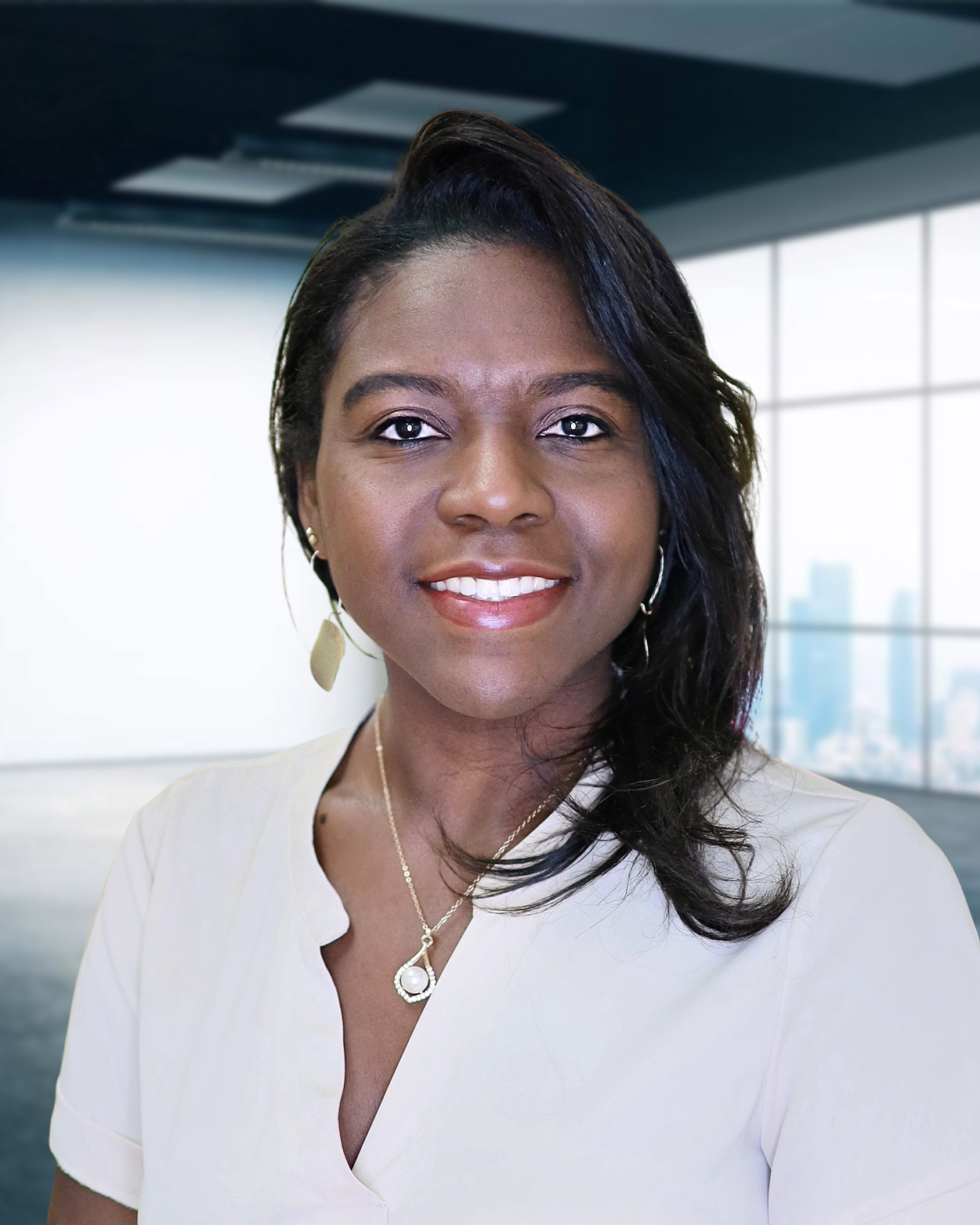
Johana Thomas Zapata is a mathematics educator and researcher specializing in teacher education and professional development. Her work examines how teachers can create learning environments that connect mathematics to students’ real-life experiences, making math more accessible and meaningful. Through Mathematical Modeling, she supports educators in designing equitable instructional practices that bridge classroom learning with the practical use of mathematics. Johana is committed to preparing teachers to empower all students—especially multilingual and historically marginalized learners—to see themselves as capable mathematicians.